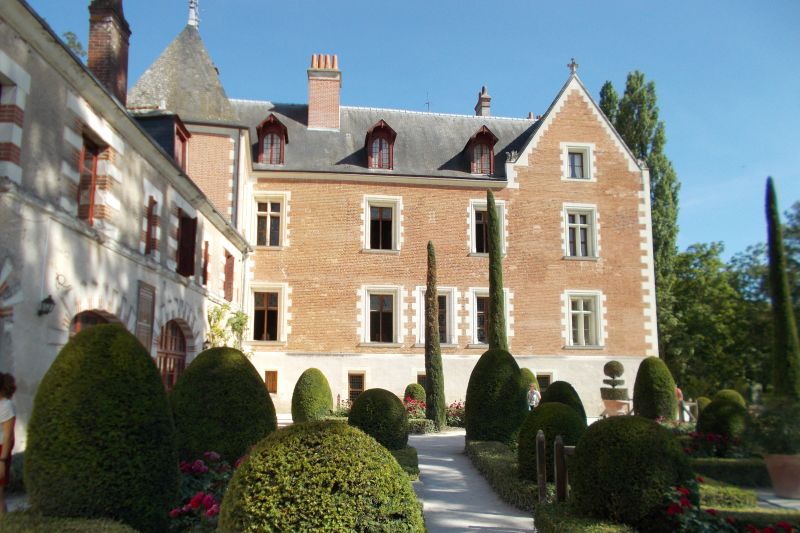
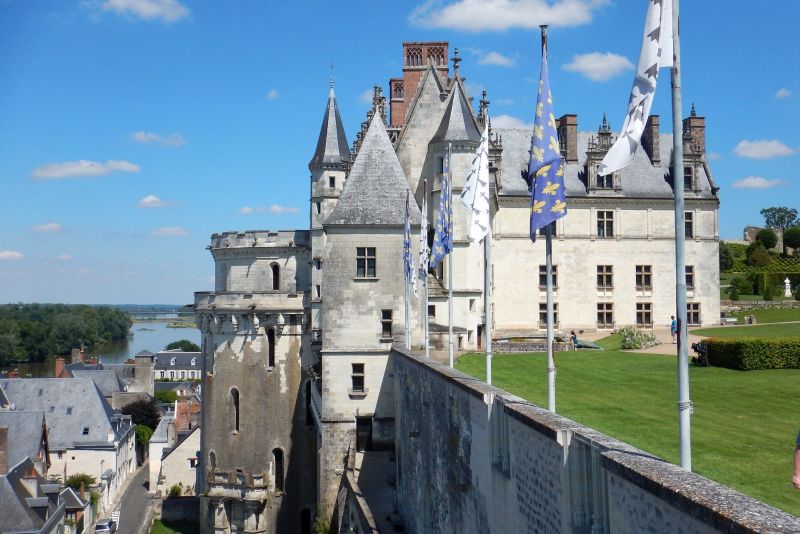
The Loire Valley in France is one of Europe’s most celebrated cultural landscapes, famed for its picturesque river scenery, charming historic towns and, above all, its extraordinary Renaissance châteaux — graceful palaces and castles that helped define a major chapter in French art, architecture and high society.
This blog will discuss the beauty of the French Renaissance that can be seen in the Loire Valley, and why you should come and take part aboard a European Waterways cruise.
Renaissance Milestones
Following the end of the Middle Ages, French royalty and aristocracy embraced Renaissance ideals brought north from Italy. Inspired by classical art, humanism and new ideas about space and design, they began transforming medieval fortresses into elegant residences. This creative surge was particularly powerful under King François I, who championed the building of grand new châteaux that symbolised France’s artistic ambitions and place in Renaissance Europe.
Italian masters, including Leonardo da Vinci, invited by François I, helped shape the intellectual and artistic environment of the Loire Valley. Da Vinci spent his final years in the region, and his influence contributed to innovations that are visible in the châteaux’s architecture and decoration.
Courting History
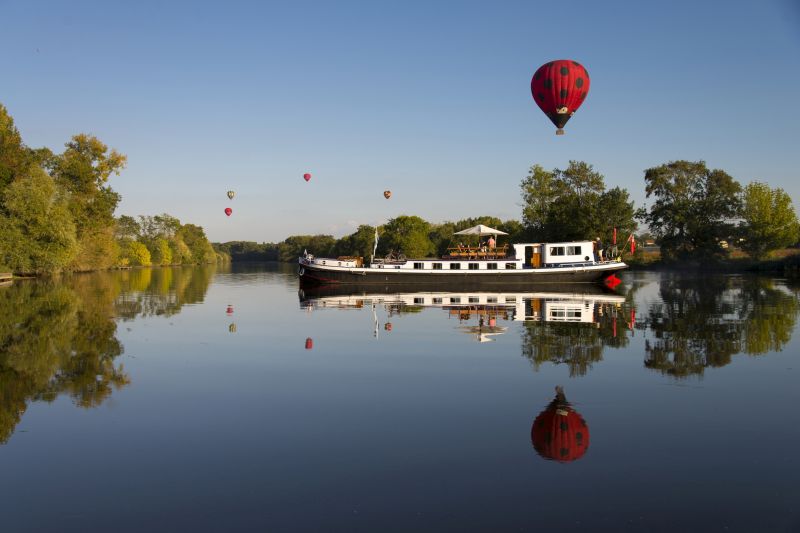
Reminiscent of a classic yacht, Nymphea takes guests on an immersive journey that reveals the history, art, architecture, wine, and cuisine of the Loire Valley, which is often called the “Valley of the Kings of France.”
The French court, held in towns along its namesake river, left behind some of the most magnificent royal residences in the world. Guests will visit the Château de Villandry, the last of the great chateaux built during the Renaissance, as well as cruise beneath the famous arches of the Château de Chenonceau, before enjoying a guided tour of its many lavish rooms and original artwork.
The Cher River is close to some of the more significant Renaissance sites. Nymphea is one of the few vessels that can navigate it because of its shallow draft, our smaller groups also allow us to be more flexible with our itinerary to participate in the celebrations and visit these attractions across the valley.
The anniversary celebrations of the French Renaissance in 2019 offer a unique opportunity to become immersed in the history of this region, but even beyond that, for those interested in their wines, the Loire Valley is actually a major growing area of France, so there’s plenty of wine to sip as you soak up the culture!
Luxury Hotel Barge Renaissance also cruises in a more easterly part of the Loire Region, visiting several unique attractions, such as Gien, the home of Faience Pottery, and the world-famous UNESCO Heritage Site of the Château de Fontainebleau.
French Renaissance and the Loire Valley FAQs
What era does the French Renaissance in the Loire Valley refer to?
It refers to the cultural and architectural transformation that took place in the 15th and 16th centuries, when French royalty and nobility adopted Renaissance styles from Italy and constructed many iconic castles.
Why are there so many castles in the Loire Valley?
The Loire Valley was a political and cultural centre for French royalty after the Hundred Years’ War. Its beauty and strategic location encouraged kings and nobles to build and remodel fortresses into sophisticated residences, resulting in an extraordinary concentration of châteaux.
Are Loire Valley châteaux all from the Renaissance period?
No. Some châteaux began as medieval fortresses and were later transformed. Others were built entirely during the Renaissance, but the region also includes structures from later eras reflecting different architectural influences.
What else is there to see in the Loire Valley besides châteaux?
The Loire Valley also features historic towns, vineyards, world-class wine tasting, scenic cycling routes, and riverside walks, making it a rich destination for culture, nature and gastronomy lovers alike.
 French
 English
 Spanish
 German
 Norwegian
 Portuguese
 Swedish
 Italian
 Russian
 Simplified Chinese
 Japanese