 English
 Spanish
 French
 German
 Norwegian
 Portuguese
 Swedish
 Italian
 Russian
 Simplified Chinese
 Japanese


The Veneto's Riverside Gems: Discover the River Po aboard La Bella Vita
A river cruise through Italy can reveal some spectacular things, from the incredible stone palaces that rise from Venice’s canals to the sprawling palazzos of Mantua. However, sometimes it is the smaller, lesser-known locations and countryside that prove most memorable. On our Classic Cruise between Venice and Mantua, you’ll get a chance to see some of Italy’s riverside gems in this incredible country.
Our Classic Cruise aboard the 20-passenger La Bella Vita takes us through they Po Valley, along Italy’s longest river, the River Po and its accompanying Canal Bianco. On its eastern end, the river fans out into the famous Po Delta wetlands. The delta abounds with an extraordinary range of flora and fauna and is especially popular with horse riders and bird watchers.
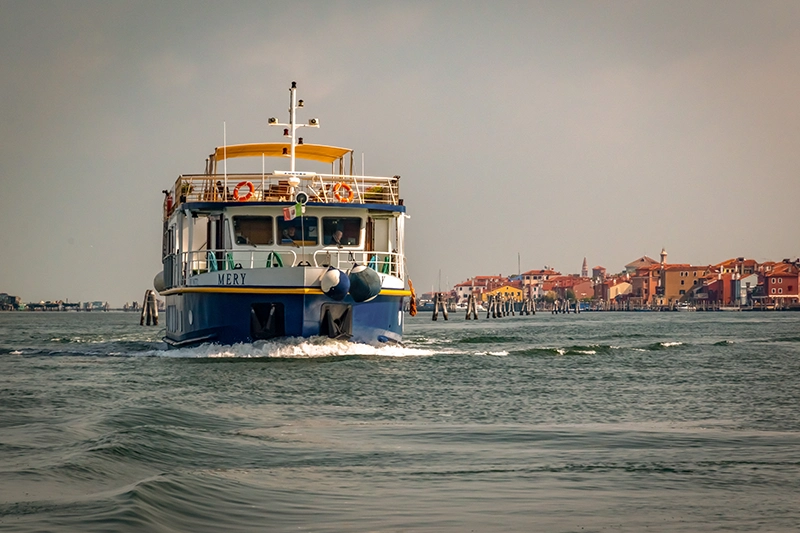
Exploring Italy’s Po Delta Park: A UNESCO-Protected Wetland Paradise
With hundreds and hundreds of animal and vegetable species, the Po Delta Park is the largest wetland in Italy and one of the most significant wetlands in Europe. It is a veritable paradise for biologists, naturists and visitors alike. A vast green space of centuries-old woods interspersed with waterways and dotted with stunning architecture.
The fascinating natural riches of the area are so uncommon in the world that it was designated a UNESCO World Heritage Site in 1999, and then a UNESCO MAB Reserve in 2015. This amazing natural district, which spans more than 66,000 hectares, is protected by two parks. On the north side of the mighty Po River is the Veneto Regional Park. And on the other, the Emilia-Romagna Regional Park
Discovering Taglio di Po: History and Heritage in the Heart of the Po Delta
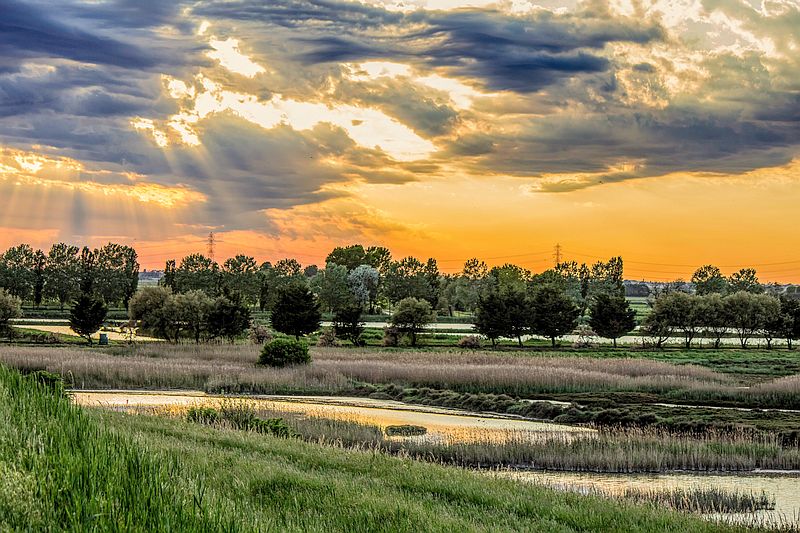
Taglio di Po is located in the heart of the Po Delta, in the Veneto region of Italy. The town’s name literally translates to “cut of the Po,” referring to one of the man-made channels that were carved out of the delta of the River Po in the sixteenth century to save it from flooding.
The distinctive landscape of this region is a result of the interplay between land and water. The region’s agricultural background and its longstanding association with the River Po has sculpted not only the landscape but the way of life of its residents.
Ca’Zen: Lord Byron’s Secret Retreat on the River Po
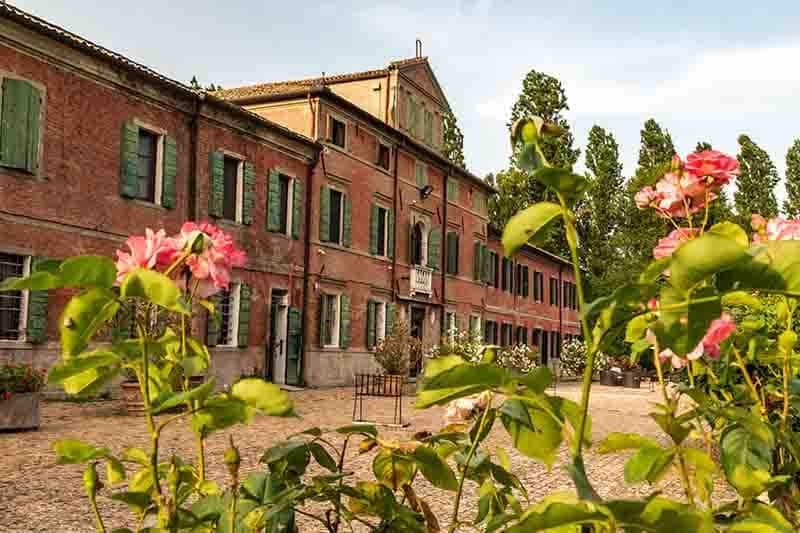
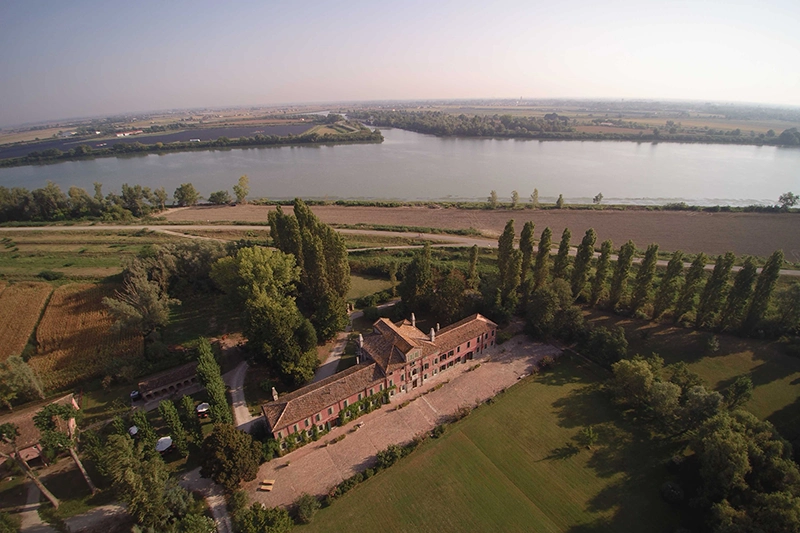
One of our favourite riverside gems is the impressive Ca’Zen, an imposing villa built by a Venetian Patrician family during the 18th century. Our barge hotel guests spend an evening dining here when they join us on our Classic Cruise. Nestled in 300 lush acres of greenery and forest, this salmon-pink villa is well worth a visit.
But it is the villa’s history which enchants its visitors. In the early 1800s, Ca’Zen was the secret retreat of the Countess Teresa Guccioli and her lover, Lord Byron. Banished to the estate by her jealous husband, the count, Countess Teresa continued the affair with the English poet in the Italian countryside. From their illicit affair sprang some of Byron’s most famous works, including Stanzas on the Po and the completion of Don Juan.
The Po Valley: Northern Italy’s Fertile Heartland and Agricultural Legacy
Northern Italy’s most notable geographical feature is the Po Valley, through which the long River Po flows and its many tributaries empty into it. It stretches from the Adriatic Sea to the Western Alps. Its flat riverside lands contrast beautifully with the often snow-capped mountains in the distance.
Since the Middle Ages, when feudal lords and monastic organizations came together, the Po Valley has been devoted to agriculture. The valley’s land reclamation peaked during the Renaissance (15th–16th centuries) and continued during the Modern Age (17th–18th centuries). The drainage system and channels are still in place today.
Ferrara: A Renaissance City of Art, Architecture and UNESCO Status
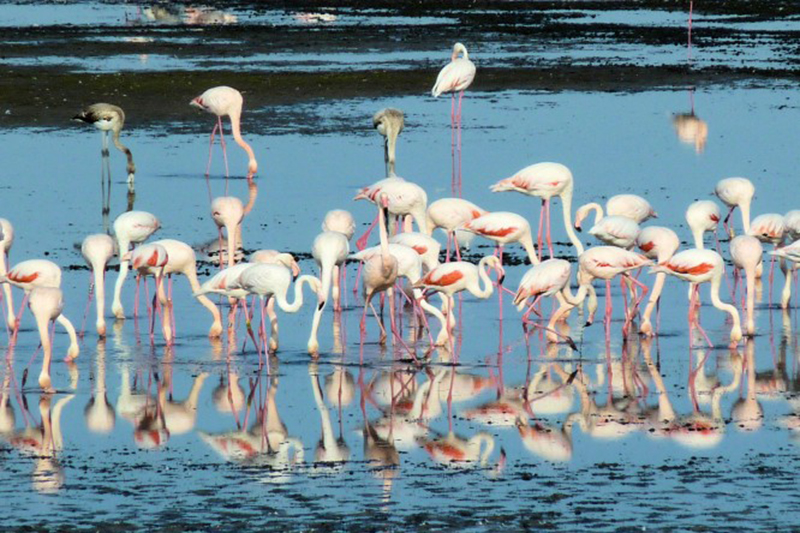
Visitors to the Ferrarese portion of the delta are met with evocative, deep forests, where deer abound. These woodlands are surrounded by reed beds that are home to flamingos and cormorants.
The first documented settlements were in 500 BC, at the ancient mouth of the River Po. In 1922, drainage projects in the Valli di Comacchio marshes, revealed a necropolis with over 4,000 tombs. It was the first indication of a population centre that must have played a significant role in antiquity.
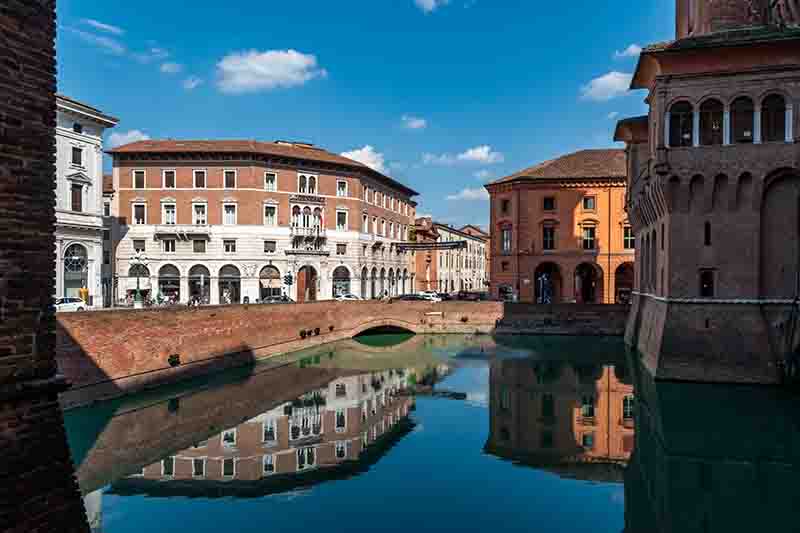
Ferrara became a global centre of culture in the late 15th and early 16th centuries, known for its visual arts, music, literature, and especially its architecture. The architecture benefited tremendously from the talent of Biagio Rossetti, who was asked by Ercole I in 1484 to create a master plan for the town’s growth. Today this riverside gem showcases numerous palaces dating from the Renaissance along its broad streets. Because of its beauty and cultural importance, it has been designated by UNESCO as a World Heritage Site.
The Veneto's Riverside Gems: Discover the River Po aboard La Bella Vita
On our Classic Cruise in Italy, you can get a taste of the romantic landscape that so inspired Byron, and fuelled one of the most notorious love affairs in history. As you cruise through the captivating countryside surrounding some of Italy’s most famous cities, you might just discover something you never expected.