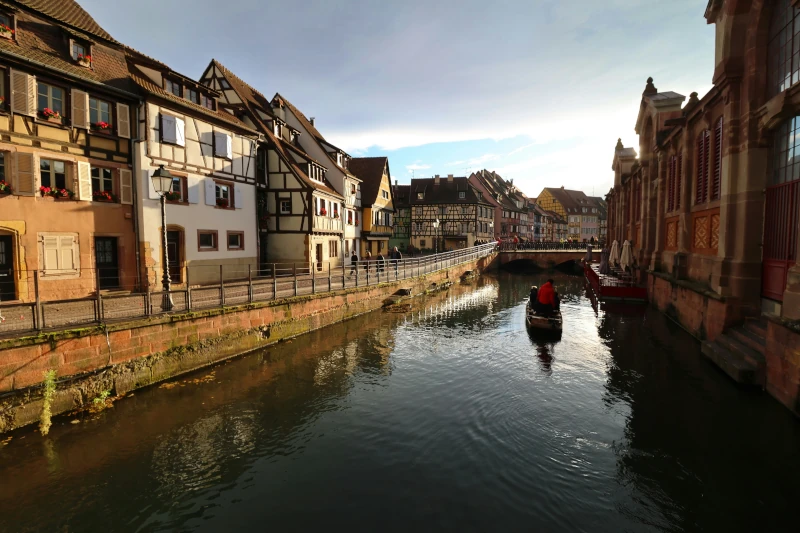
To travel in Europe, and specifically Italy and France is to come face to face with the influence of the Italian and thus French Renaissance period. It shows in the architecture that surrounds you, as well as the art. And it still influences much of what we know of these countries today.
But where, and maybe more importantly why, did the Renaissance happen? Come join us on one of our hotel barges and learn more…
From Middle Ages to Renaissance
The Middle Ages in Europe were defined by a time of shifting power bases, movements of populations, a lot of war, disease, famine and generally hard times. The medieval period came after the fall of the Roman Empire, 5th century, and was a time when Europe fought amongst itself, a lot. During this time interest in art, architecture and literature went into a decline. Not surprisingly really when staying alive was a very real focus.
The Renaissance was a period of cultural and artistic renewal following the Middle Ages. The word ‘Renaissance’ comes from French ‘re’ meaning ‘again’ and ‘naissance’ meaning ‘birth’. In other words a re-birth. There are a few factors that contributed to the rise of the Renaissance period. Post Black Death found cultures intermingling more. Artisans could also demand higher pay for their work post plague. Throw in a renewed interest in ancient Greek and Roman texts, new technological advancements and the emergence of humanism (a rationalised outlook that attached prime importance to humans rather than divine) and you have the makings of a renaissance.
Italian Renaissance
The Renaissance period began in different countries at different times. There is no definitive start date, but it emerged first in Florence, Italy, in the 14th century. Two writers, Dante Alighieri and Francesco Petrarch, played a significant role in reigniting interest in ancient Greek and Roman civilization. A cultural rebirth, or renaissance, of this ancient Greek and Roman literature, philosophy, and art occurred as a result of their research. Some think of them as the founding fathers of the Renaissance period.
At the same time, Florence was exceedingly prosperous due to successful trade with Eastern Europe and Asia, leading to many cultural patrons, such as the famous Medici family. There were patrons who supported artisans, scientists, poets, writers, sculptors and painters, paying for new developments and works and thus widening the scope of this new ethos.
Italian Renaissance Architecture
Florence was the birthplace of the Renaissance, but Rome went on to be the pinnacle of the movement in Italy with the likes of Leonardo Da Vinci, Michelangelo and Raphael. Pope Leo X, a Medici, used architecture to showcase artworks dedicated to the Catholic church, dazzling visitors. This cultural rebirth transformed not only city centers but also the countryside, inspiring villas and estates that reflected the same principles of balance, proportion, and harmony.
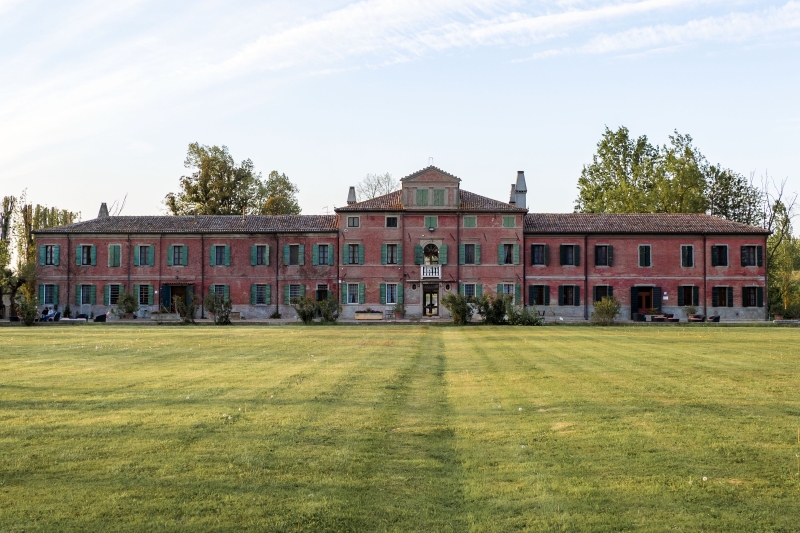
Villa Ca’Zen is a graceful example of how Renaissance ideals influenced life beyond grand cities and royal courts. Built as a noble country residence along the Brenta Canal, the villa reflects the Renaissance emphasis on balance, proportion, and harmony with its surroundings. You can marvel for yourself while onboard our hotel barge La Bella Vita.
French Renaissance
From Italy, the renaissance ideals and actualities spread to Germany, England, Spain and most notably France. The French tapped into the renaissance in the 15th century. A combination of invasions into Italy as well as the proximity of the Burgundian court brought the French into contact with this rebirth. And the nobles of France liked what they saw, and swiftly adopted it.
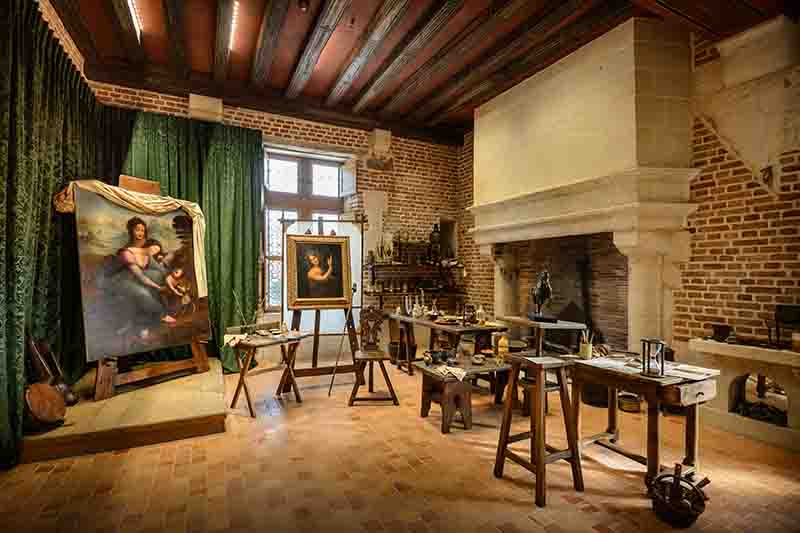
In particular, King Francis I encouraged the renaissance to blossom in France. He was considered a very intelligent and cultured monarch and invited Leonardo da Vinci to his castle at Amboise, in the Loire Valley. Leonardo arrived with a number of paintings and drawings, including the Mona Lisa, which is why it now resides in France, in the Louvre.
Renaissance in the Loire Valley
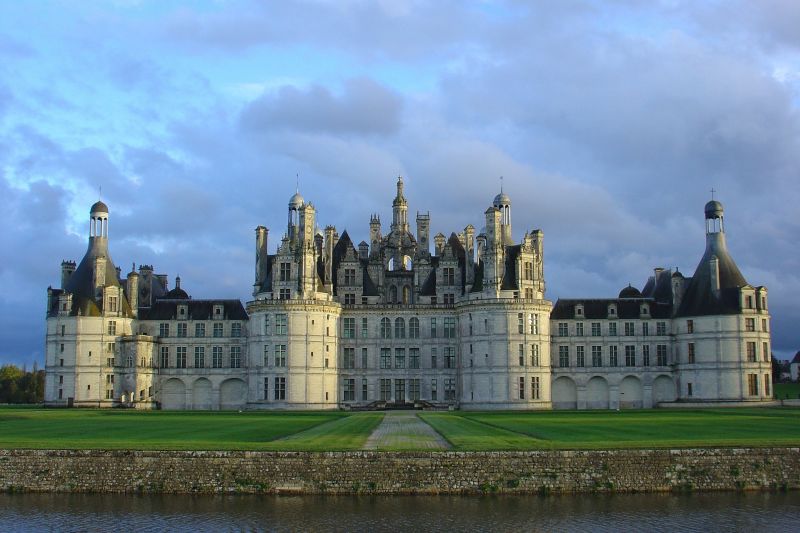
Francis’ support of this rebirth resulted in many renaissance style castles and other buildings. In consequence, the Loire valley region, which still has a good selection of monuments from this era, witnessed the French Renaissance’s greatest flourishing. Of particular note being Chambord castle and the re-build of Fontainebleau.
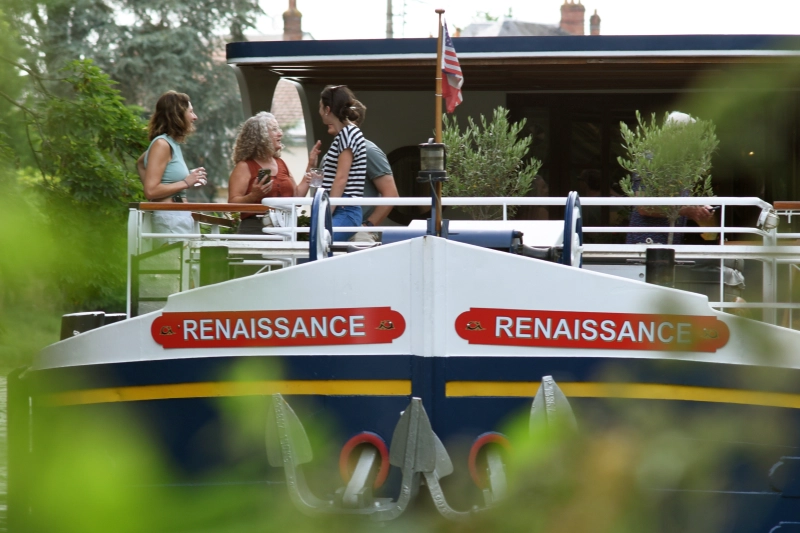
Another fine example of Renaissance influence in the Loire region is Château de La Bussière. Originally a medieval fortress, the château was transformed during the 16th century into a more comfortable and elegant residence in keeping with Renaissance ideals. While it retained elements of its defensive past, the focus shifted toward symmetry, refined living spaces, and a closer relationship with its surrounding landscape. This evolution reflects the broader Renaissance move away from purely military architecture toward buildings designed for pleasure, status, and cultured living—an irony not lost today, as our hotel barge aptly named Renaissance now cruises this very region.
Burgundy's Chateau Ancy Le Franc
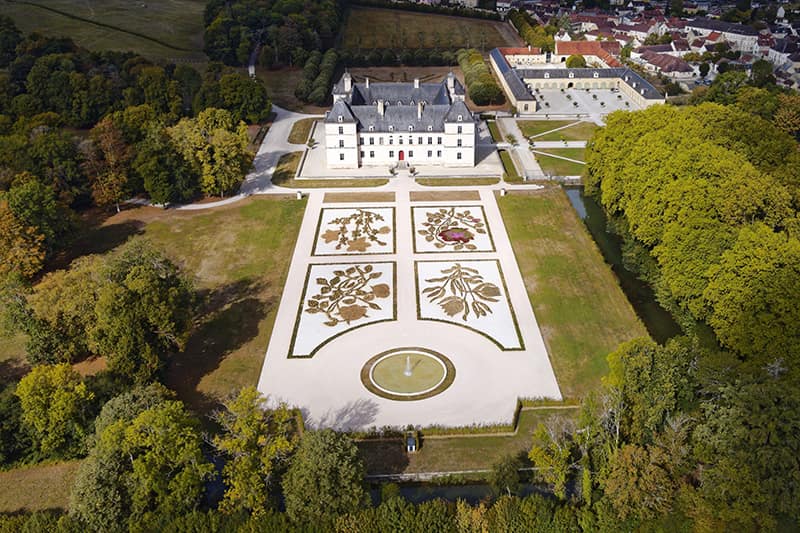
A cruise onboard La Belle Epoque gives the opportunity to visit Château Ancy-le-Franc, one of the purest expressions of Renaissance architecture in France. Built in the mid-16th century for Antoine III de Clermont, the château was designed by the Italian architect Sebastiano Serlio, one of the great theorists of Renaissance architecture. Unlike the medieval fortresses that came before it, Ancy-le-Franc was conceived as a place of symmetry, balance, and elegance rather than defence. Its square plan, harmonious proportions, and classical façades reflect the Renaissance belief that architecture should mirror order, reason, and human intellect.
Inside, the Renaissance ideals continue through richly decorated interiors and frescoes inspired by classical mythology, history, and humanist thought. Italian artists were brought to Burgundy to decorate the château, illustrating just how far Renaissance influence had travelled beyond Italy. Château Ancy-le-Franc stands as a tangible example of how French nobility embraced Renaissance culture, blending Italian artistic principles with French tastes.
Renaissance Architecture
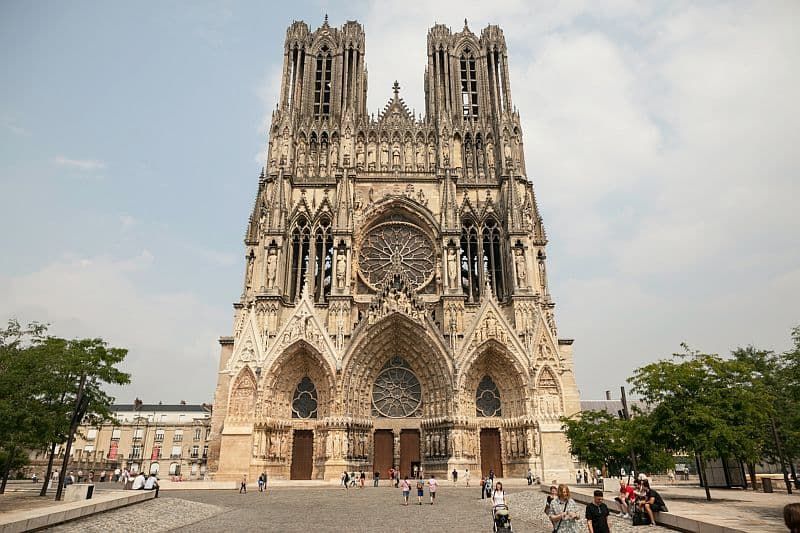
Previous to the renaissance style of architecture, the gothic style reigned supreme. Gothic architecture was strong, foreboding, and detailed. Cathedrals were heavily buttressed, often with threatening looking gargoyles peering down. Reims Cathedral, in Champagne, remains a superlative example of the gothic style that can be seen today on a cruise aboard Kir Royale.
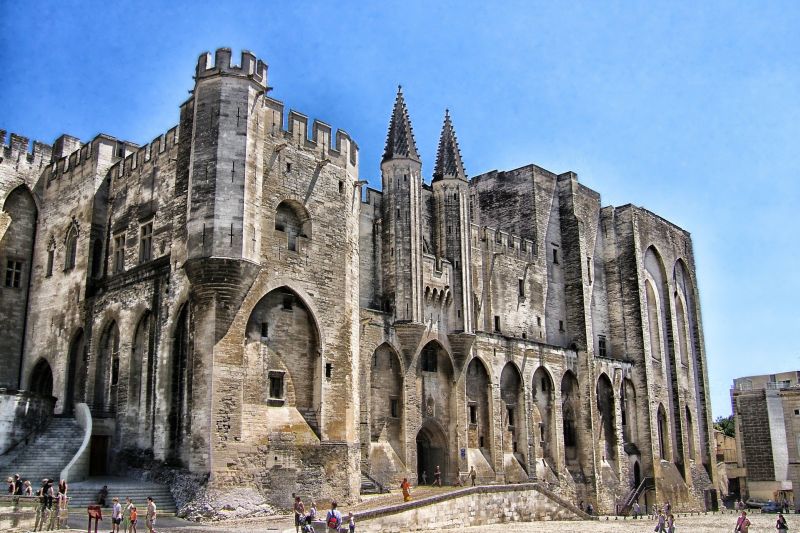
A powerful crossover example of this late medieval world is the Palais des Papes in Avignon. While Gothic in its architecture, the palace was also a centre of learning, art, and culture, helping to preserve the intellectual traditions that would soon feed into the Renaissance. In this way, it stands as a bridge between the medieval period and the cultural rebirth that followed and can be visited as part of hotel barge Anjodi‘s itinerary.
In contrast, the renaissance style felt lighter, more delicate and generally very symmetrical. Harking back to the ancient Greeks in particular influenced the style. In addition, as the renaissance period was one of support and great development in science and math, mathematics played a large part in renaissance architecture. The use of mathematically exact height-to-width ratios along with classical lines were used to create a sense of harmony, symmetry, and proportion.
Today
The Renaissance was an extraordinary period of renewal that reshaped Europe’s cultural landscape, leaving a legacy that is still visible today. Across France and Italy, the transition from the fortified, imposing structures of the medieval world to the harmonious, human-centred designs of the Renaissance reflects a profound shift in how people viewed art, science, and their place in the world. Advances in architecture, literature, philosophy, and learning during this time laid the foundations of the modern era, while the castles and cathedrals that survive continue to tell the story of this remarkable transformation.
If you would like to visit Italy or France, taking the time to truly enjoy the stunning architecture of these countries, come join us on one of hotel barges.
Contact Us for more information.
 Italian
 English
 Spanish
 French
 German
 Norwegian
 Portuguese
 Swedish
 Russian
 Simplified Chinese
 Japanese