 English
 Spanish
 French
 German
 Norwegian
 Portuguese
 Swedish
 Italian
 Russian
 Simplified Chinese
 Japanese

How Water Levels Affect Canal and River Cruises
Water levels are one of the quiet background factors that shape hotel barge cruising in Europe. Guests often see calm canals, leafy towpaths, and unhurried progress and assume the water beneath them is constant and predictable. In reality, water levels vary all the time, influenced by weather, geography, and how each waterway is managed.
Understanding why this happens helps explain why canal cruising is generally more reliable than river cruising, and why occasional restrictions are a normal part of operating historic waterways in a changing climate.
Nature versus Nurture
At the most basic level, the difference comes down to nature versus design. Rivers are natural, free-flowing systems. Their levels depend directly on rainfall, snowmelt, and seasonal patterns across wide catchment areas. A wet spring can push river levels high and fast, while a dry summer can lower them just as quickly. Because rivers are always moving downstream, water cannot easily be stored or held back without major engineering, and even then it must keep flowing to maintain downstream ecosystems and navigation.
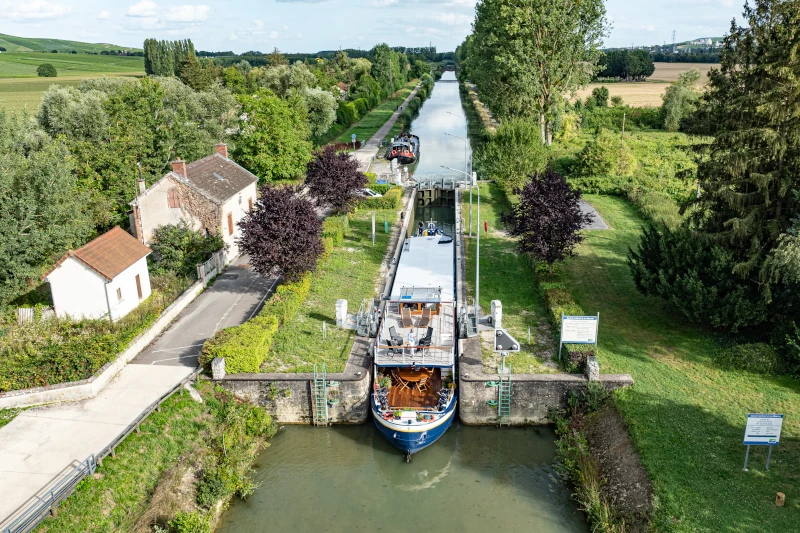
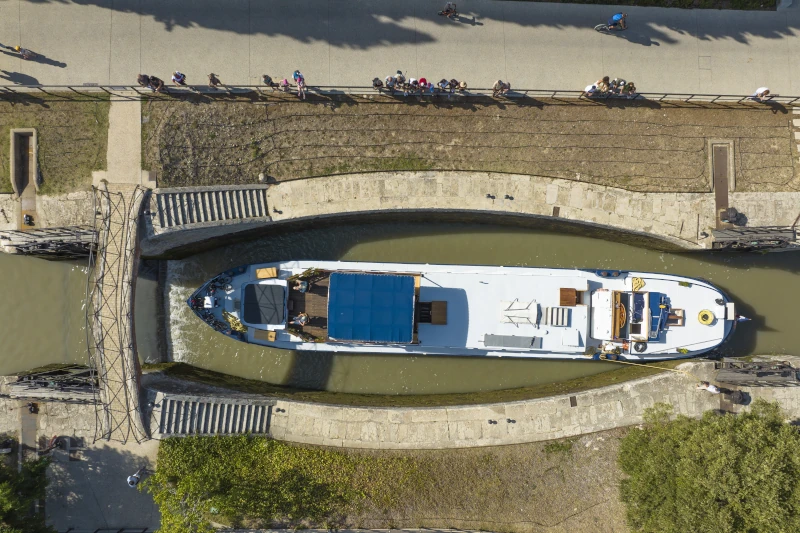
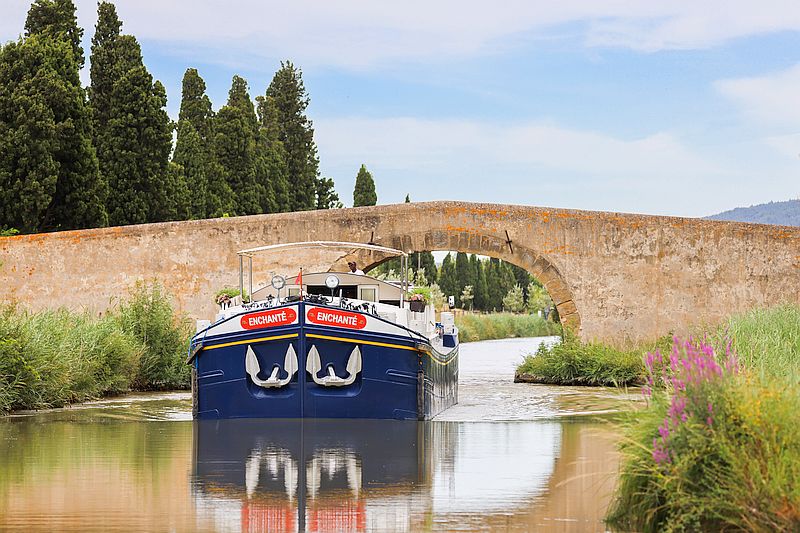
Canals are different. They are man-made waterways, designed from the outset to support navigation. Engineers who built Europe’s canal networks understood that boats need depth and consistency, so canals were created with systems to manage water rather than simply react to it. Locks, pounds, weirs, feeders, and reservoirs all work together to keep levels within a usable range for as long as possible.
Canals versus Rivers
One of the key reasons canals are more reliable is their water supply. Most canals are fed by reservoirs that collect water during wetter periods, particularly in autumn and winter. Rainfall that might otherwise rush away down valleys is captured and stored, then released gradually during the cruising season. This stored water acts as a buffer against short-term droughts. Even if there is little rain for weeks, the canal can continue to operate normally because it is drawing from reserves built up earlier in the year.
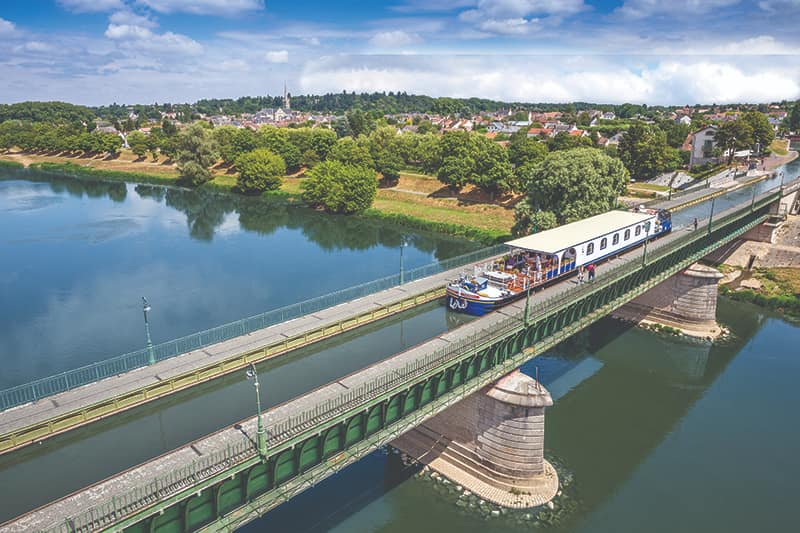
Rivers do not have this luxury. While dams and large reservoirs exist on some rivers, other rivers used for navigation respond almost immediately to changes in rainfall. And even on huge rivers such as the Rhine, you sometimes read of passenger ships being stuck due to lack of water.
A dry spell can quickly lower water levels, reducing draft and sometimes making navigation unsafe. Conversely, heavy rain upstream can raise levels and currents downstream, leading to closures for safety reasons. Rivers have their own charm, and indeed European Waterways cruises some of Europe’s gentler rivers such as the Thames, Shannon and Yonne, but canals usually offer more reliable cruising.
Slower Travel
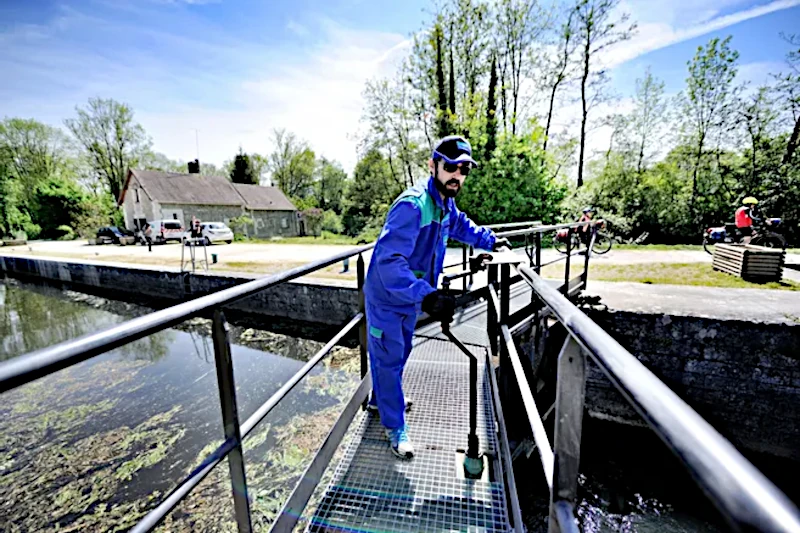
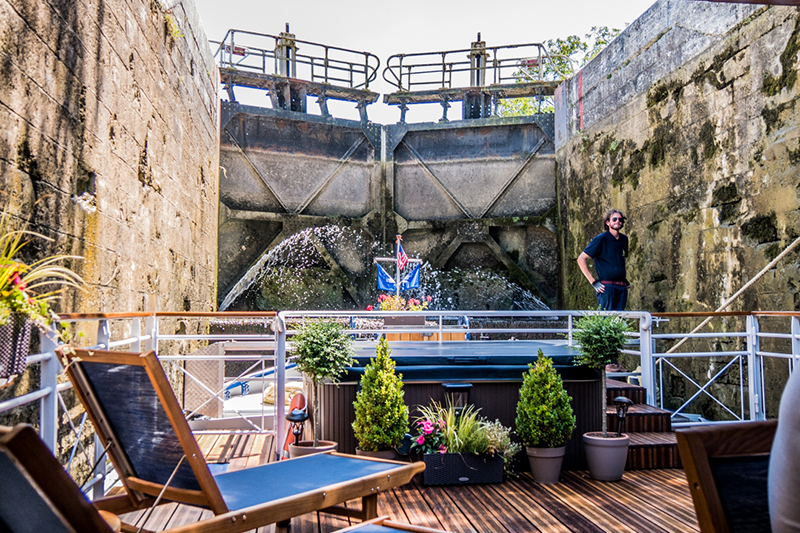
Flow rate is another important distinction. In a canal, water movement is slow and controlled. When a lock is operated, water moves from one level to another, but once the lock gates are closed, the water is largely still. This means overall water loss is relatively low and predictable. Operators can calculate how much water is used each day and manage supplies accordingly.
Rivers, on the other hand, must keep water moving at all times. Weirs allow water to pass downstream even when locks are closed, which means there is a constant flow leaving the navigable section. During dry periods, this continuous loss becomes significant. Authorities cannot simply stop the river from flowing without causing serious environmental damage further downstream.
Good for the Environment
Environmental protection plays a growing role in how waterways are managed, especially during droughts. Fish, plants, and entire ecosystems depend on minimum water levels and flow rates. On rivers, when levels fall too low, local authorities may intervene to limit or ban water extraction entirely. This is particularly common on smaller rivers, such as the Armançon in Burgundy which is used to supply the Burgundy Canal. When these rivers reach critically low levels, the local préfet may restrict water use to protect fish stocks and maintain water quality.
Canals are not immune to these pressures, but they are better equipped to cope. Because their supplies are managed, canal authorities can often adjust operations to stretch available water. This might include reducing lock operating hours, grouping boats through locks, or temporarily closing lightly used sections to conserve water for main routes. These measures are usually planned and communicated well in advance, minimizing disruption to hotel barge itineraries.
Lastly, canals usually benefit from different sources of water supply along their length. If one reservoir is running low, hotel barges can move a few miles to another section supplied by a reservoir with higher stocks of water. Rivers conversely are supplied by the same water flowing from source to sea.
Controlling the Environment
That said, not all canals are equally resilient. The canals most vulnerable during dry periods are often those that rely on rivers rather than reservoirs for their supply. In these cases, the canal effectively shares the river’s problems. If a river used as a feeder such as the Armancon drops too low, it cannot provide enough water, and restrictions may follow. Even then, conditions on canals tend to change more slowly and predictably than on rivers, allowing operators to adapt routes and schedules with less impact on the guest experience.
Flooding tells a similar story from the opposite direction. Rivers can rise rapidly after heavy rainfall, increasing current speed and making navigation more difficult. Canal levels can also rise, but excess water is often diverted through spillways and overflow channels designed specifically for this purpose. While extreme weather can affect any waterway, canals generally offer a calmer and more controlled environment.
Reliability and Resilience
For hotel barge cruising, this reliability is a major advantage. Cruises are planned months or even years in advance, and guests expect a smooth, unhurried journey. The managed nature of canals makes it far easier to deliver that experience consistently. When adjustments are needed, they are usually modest and handled behind the scenes, with alternative routes or shore excursions filling any gaps.
Water levels will always vary. Europe’s waterways are living systems, shaped by weather patterns and environmental responsibilities as much as by engineering. What canals offer is resilience: the ability to absorb those changes and keep cruising enjoyable and dependable. That balance between careful management and respect for nature is what has kept canal cruising thriving for centuries, and why it remains such a reliable way to explore Europe from the water.
Plan Your Canal Cruise
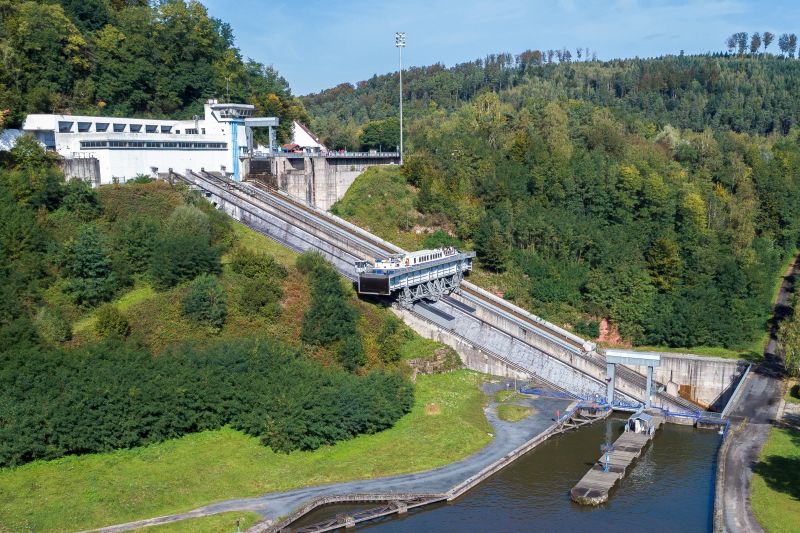
Whether gliding along the tranquil canals, exploring locks and water elevators, or discovering Europe’s hidden waterways at an unhurried pace, hotel barge cruising remains one of the most relaxing and reliable ways to travel.
Behind every successful voyage is a careful balance of engineering, environmental stewardship, and expert local knowledge that keeps these historic waterways navigable and enjoyable throughout the cruising season.
If you are ready to experience the charm, comfort, and timeless beauty of a luxury canal cruise for yourself, Contact Us today to start planning your next European hotel barge adventure. Our team will be delighted to help you choose the perfect itinerary and book your unforgettable journey on the water.