 English
 Spanish
 French
 German
 Norwegian
 Portuguese
 Swedish
 Italian
 Russian
 Simplified Chinese
 Japanese


The Champagne region of France is a captivating blend of rich history, cultural heritage, and natural beauty. Famed worldwide for its iconic sparkling wine, Champagne offers far more than just fine bubbles. Its landscapes, waterways, architecture, and gastronomy come together to create a unique experience for travellers and connoisseurs alike.
Discover the Champagne Region - Beyond its Wine
Beyond its landscapes and cuisine, Champagne’s identity is deeply rooted in history. From Roman settlements and medieval trade routes to royal ceremonies and periods of conflict, the region has long played a pivotal role in shaping France. Its towns and countryside bear the marks of centuries past, where traditions have been preserved and passed down through generations, contributing to the region’s distinctive character and enduring prestige.
Champagne’s heritage is of course also closely intertwined with the development of its winemaking traditions, refined over centuries by monastic orders and local growers who shaped the techniques still used today. Beneath towns and vineyards, ancient chalk quarries were transformed into vast cellars, standing as enduring symbols of innovation, resilience, and the region’s ability to adapt while preserving its identity.
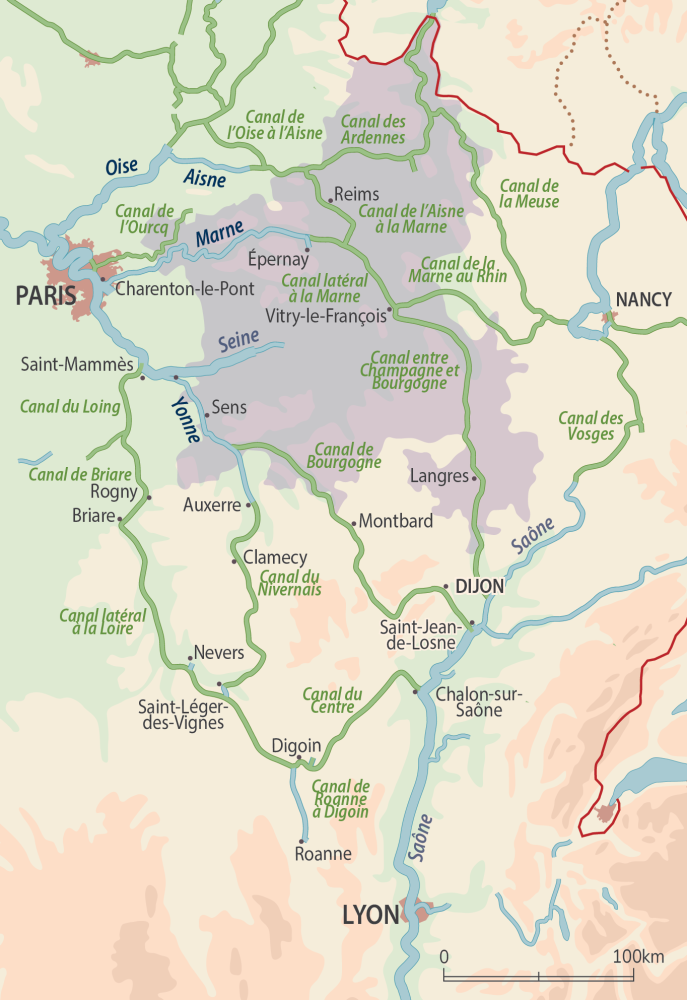
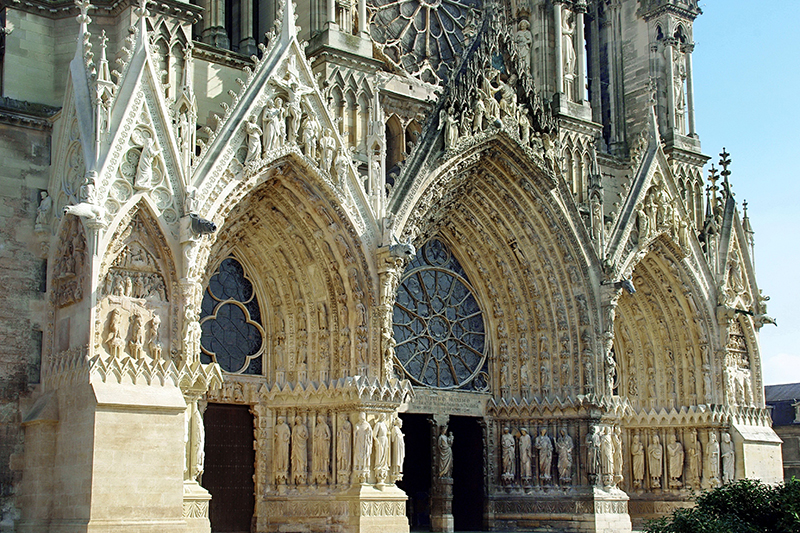
Architecturally, Champagne is home to stunning medieval towns and grand monuments. The city of Reims, renowned for its breathtaking Gothic cathedral, has witnessed the coronation of French kings for centuries.
In contrast, Épernay, with its elegant avenues lined with Champagne houses, reflects the grandeur of the region’s rich viticultural history. The region’s historic cellars, some dating back centuries, are dug deep into the limestone hills and form part of its UNESCO World Heritage designation.
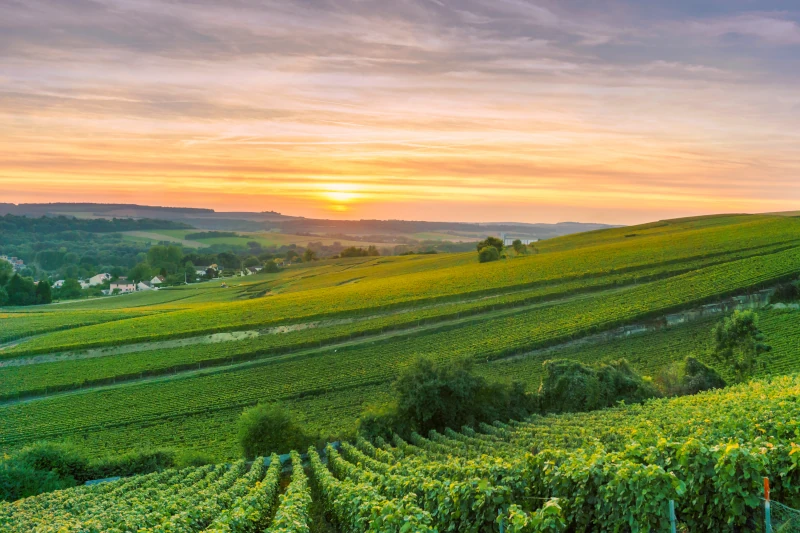
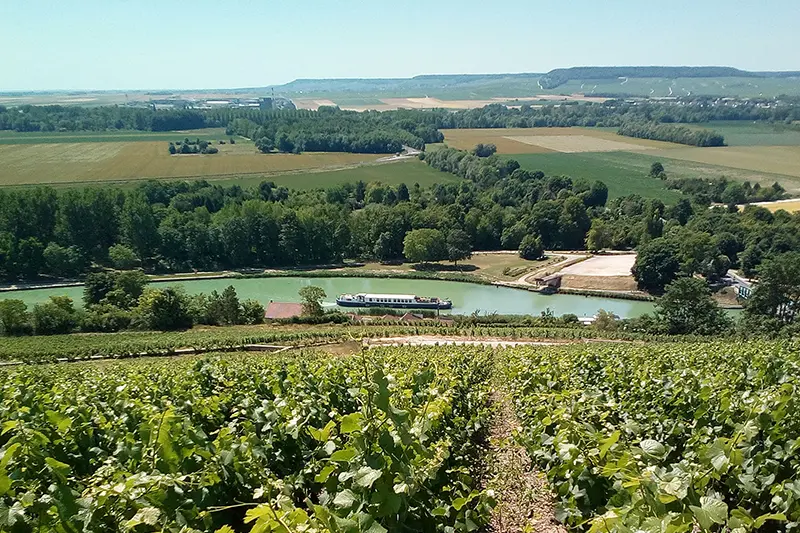
Champagne’s landscapes are a painter’s dream, with gently rolling hills covered in lush vineyards stretching across vast expanses. The picturesque vineyards of the Montagne de Reims, Vallée de la Marne, and Côte des Blancs are not only a visual treat but also produce the grapes responsible for the world-famous champagne wine.
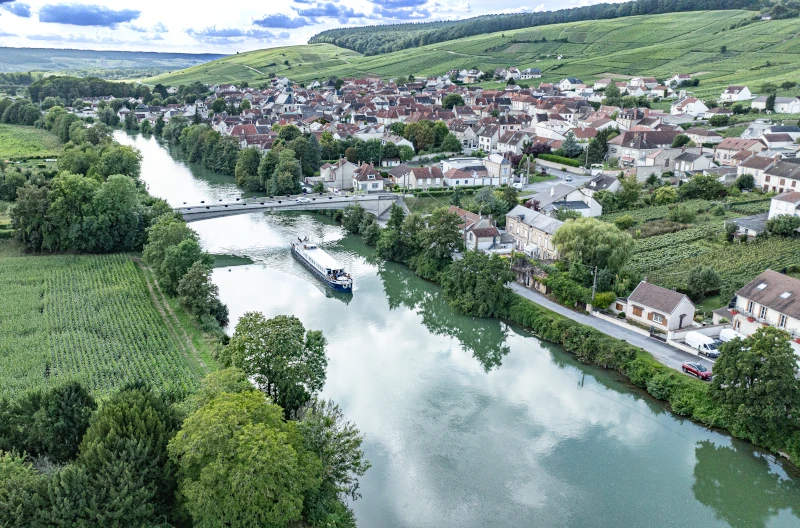
The region’s waterways, such as the Marne River, add another layer of charm, providing scenic routes through the landscape and linking the vineyards with neighbouring towns and cities.
Champagne’s culture is closely tied to the daily rhythms of vineyard life, where traditions follow the seasonal cycle of pruning, harvesting, and winemaking. Annual celebrations mark these moments, from lively harvest gatherings to winter food fairs that highlight regional specialties and locally crafted products.
Long-standing skills such as cooperage, cellar management, and traditional food preparation remain central to the region’s identity, passed down through generations and still practiced today. Together, these customs offer visitors an authentic insight into Champagne’s working culture, where heritage is not preserved as display, but lived as part of everyday life.
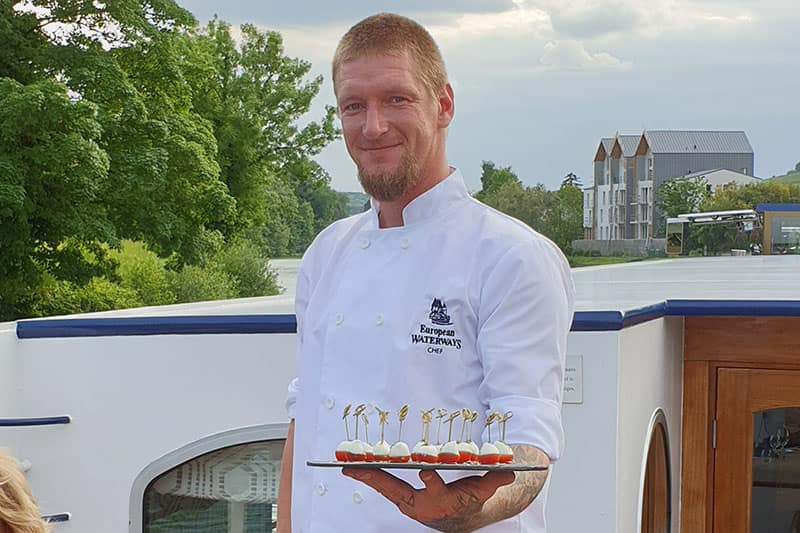
Gastronomically, Champagne is a haven for food lovers. The region is known for its delicate cuisine which pairs beautifully with its world-class wines. Regional specialties include the andouillette sausage, Brie de Meaux and Chaource cheeses, all of which complement the region’s sparkling wines perfectly.
In addition to its famous champagne, the region boasts an exceptional array of local dishes shaped by deep-rooted agricultural and culinary traditions. Signature specialties include the renowned boudin blanc de Rethel and the rustic pâté champenoise, as well as hearty regional favorites such as palette à la viande des Ardennes, a savory meat-filled pie, and cacasse à cul nu, a traditional potato fricassee. Pieds de porc à la Sainte-Menehould, served with mustard, remains a celebrated hallmark of Champagne gastronomy and is honoured annually at the Foire aux Pieds de Cochon.
Wildlife enthusiasts will find plenty to admire in Champagne, where vineyards, forests, wetlands, and riverbanks create a rich patchwork of habitats. Birdwatchers can spot herons stalking the shallows, kingfishers darting along the Marne, and kestrels hovering over open fields, while migratory birds add bursts of colour at different times of year.
In the dense woodlands and rolling hills, wild boar root through undergrowth, deer move in cautious herds, and foxes, hares, and hedgehogs make the most of the quieter corners of the countryside. Even the rivers teem with life, from eels to freshwater mussels, giving a sense of the region as a living, thriving ecosystem beyond its famous vineyards.
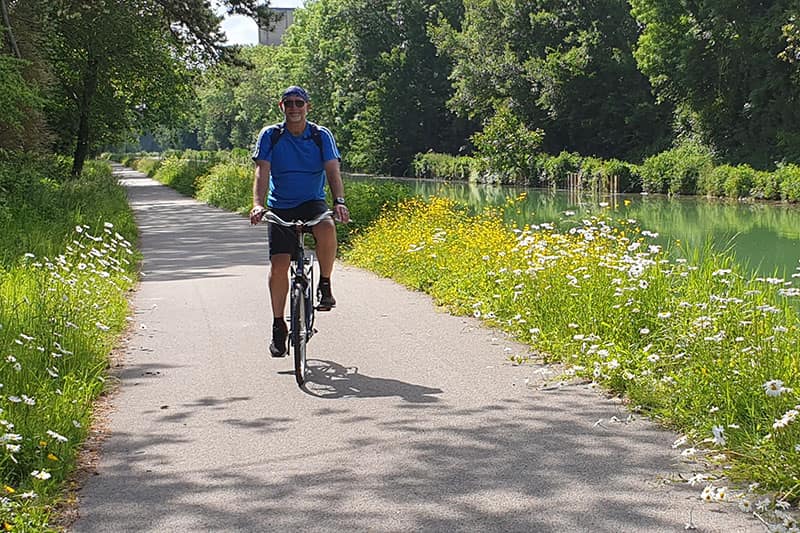
Champagne lends itself to unhurried exploration, with walking and cycling routes winding through vineyards, forests, and along canal paths, allowing visitors to experience the region’s varied landscapes up close. These trails reveal hidden corners of the countryside, from gently rolling hills to quiet riverbanks, and provide a closer look at the interplay between vineyards, farmland, and historic villages.
Cruising along the canals and rivers offers a different perspective as you pass through charming hamlets, under ancient stone bridges and past stretches of pastoral scenery often overlooked from the main roads. Along the way, visitors can also gain insight into local life, observing traditional agricultural practices, seasonal vineyard work, and the rhythm of rural communities that have shaped Champagne for centuries.
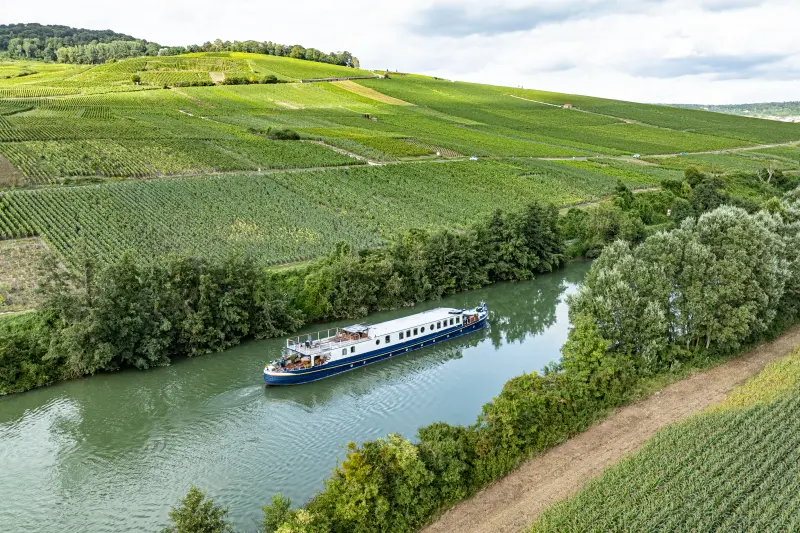
Whether you are drawn to its historic towns, scenic vineyards, exquisite gastronomy, or the stunning natural landscapes, the Champagne region is a place where history and nature come together to offer an unforgettable experience.
Travel aboard our hotel barge Kir Royale to participate and enjoy all that the region has to offer.
Contact Us for more information.