English
 Spanish
 French
 German
 Norwegian
 Portuguese
 Swedish
 Italian
 Russian
 Simplified Chinese
 Japanese


Leap Castle: Discover the Secrets of Ireland’s Most Haunted Castle
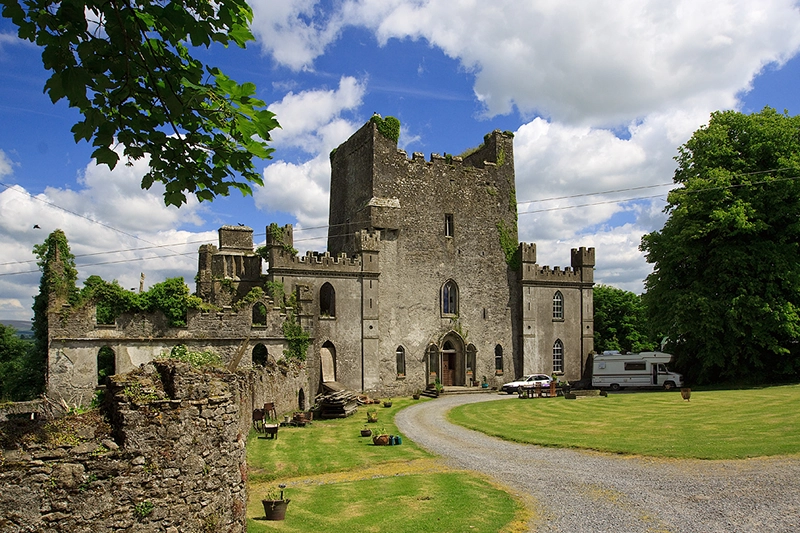
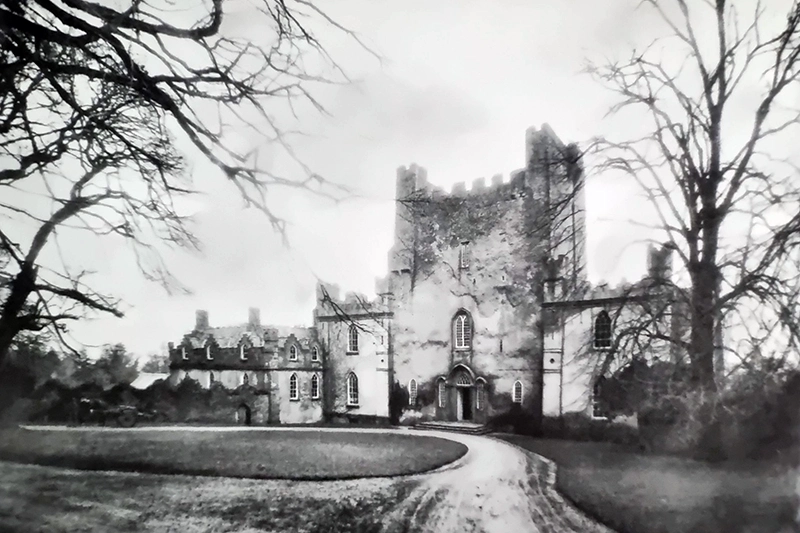
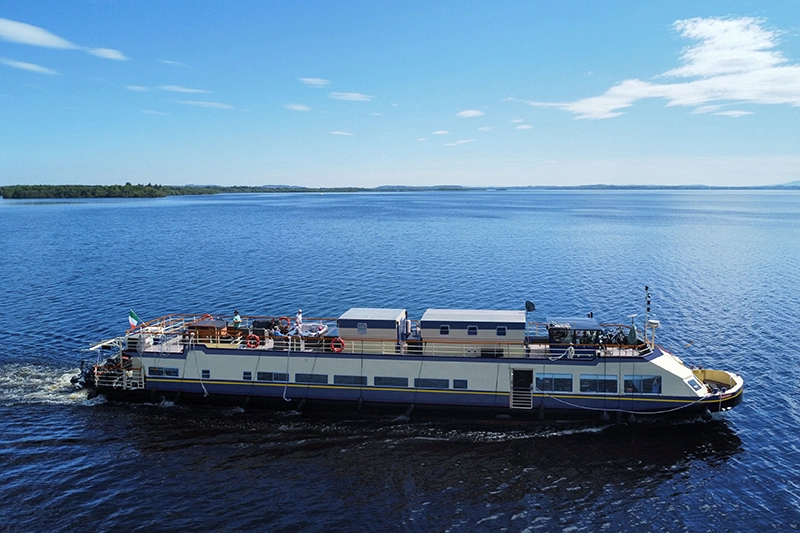
Step away from the comfort and luxury of the Shannon Princess and into the unknown, for a thrilling excursion to Ireland’s most haunted castle, Leap Castle. From the violent O’Carroll clan to the devious Darby family, Leap Castle has seen revenge, bloodshed and burning.
Whether you’re interested in the history of Leap Castle or you’re here for the hauntings, find out about the events that took place here over 500 years ago. From spirits to skeletons, Leap Castle has plenty of secrets to share with you.
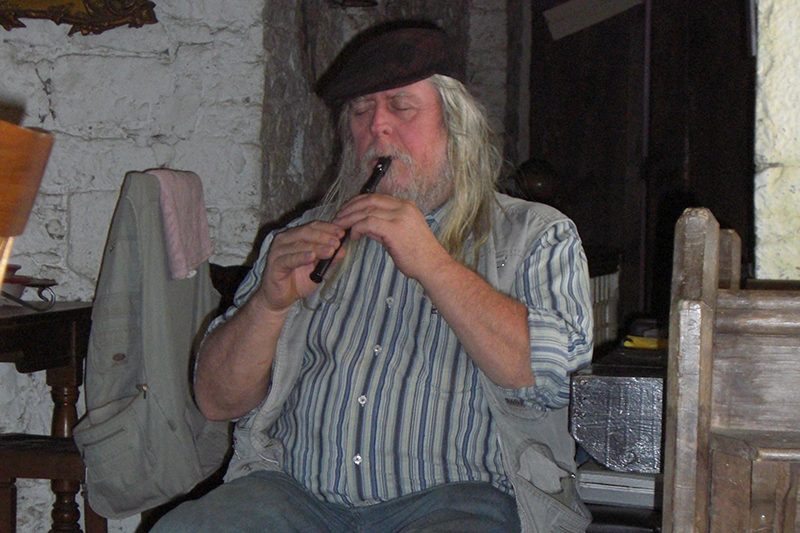
Guests aboard the 10-passenger Shannon Princess enjoy an exclusive tour of this ‘creepy’ castle with the traditional Irish musician, storyteller, and current owner – Sean Ryan.
Let’s find out a little more, so you can see why it’s worth a visit…
Where is Leap Castle?
Constructed in County Offaly, the location of Leap Castle is relatively central to the land mass of Ireland. Presently identified as sitting within the Eastern and Midland Region of Ireland, the county has a population of over 82,000. Leap Castle can be found in the south of the county, just under 4 miles north of Roscrea and just over 6 miles south of the town of Kinnitty.
Prior to the seventeenth century, when Ireland was ruled by clans, Leap Castle occupied a useful strategic position for the dominant Irish families. Situated on a rocky outcrop of the Slieve Bloom Mountains, Leap Castle surveyed against attack from the north and protected against invasion from the south through the Slieve Bloom pass. To the north and west of Leap Castle, the River Shannon provided a navigable route for supplies.
In the present day, Leap Castle is reachable via the R421 road, and the Grand Canal travels directly above it to the north, from the River Shannon to its north-west.
How old is Leap Castle?
Thought to be the site of ancient ceremony, there is archaeological evidence to suggest that the site of Leap Castle was used by humans as early as 500 years before Christ. At this time, druid ritual ceremonies centred around sacrificing animals to please the Celtic gods. Perhaps the location where Leap Castle was built was always stained with blood.
A structure is thought to have been built at the site of Leap Castle as early as 1250 AD, though Leap Castle as it currently stands was built in the early sixteenth century by the Irish O’Bannon clan. They were high up in regional clan rankings, behind the ruling family of the territory, the O’Carrolls. The castle originally bore the Celtish name, Leim Ui Bhanain, which translates into English as ‘Leap of the O’Bannons’. The use of the word ‘leap’ was probably used for its metaphorical meaning, drawing from ancient legends highlighting strength and prowess.
Legend has it that around the time the castle was built in the 1500s, two O’Bannon brothers were vying for leadership of the clan. They were challenged to jump from a rocky outcrop, with the survivor being crowned as chieftain. After the victor emerged, the building work on Leap Castle began.
Who lived at Leap Castle?
Throughout the early 1500s, the ruling O’Carroll clan used the O’Bannon’s castle as a stronghold to protect the path through Slieve Bloom Mountains. The castle’s convenient location near the mountain pass meant that the O’Carroll’s could better prevent their enemies from attacking the lands they held.
By the 1530s, the O’Carrolls had taken over control of Leap Castle, possibly through marriage. Though there are no records to prove this, marriage alliances were a common way for associates to solidify their loyalty and secure a future dynasty for both families.
The O’Carroll family had a fierce reputation and were known to punish their enemies through blood. There was also plenty of fighting within the family and their ruthlessness led to many murders, especially after the death of Mulrony O’Carroll in 1532. Many of the inheriting family members killed one another to assume control of the castle and leadership of clan O’Carroll.
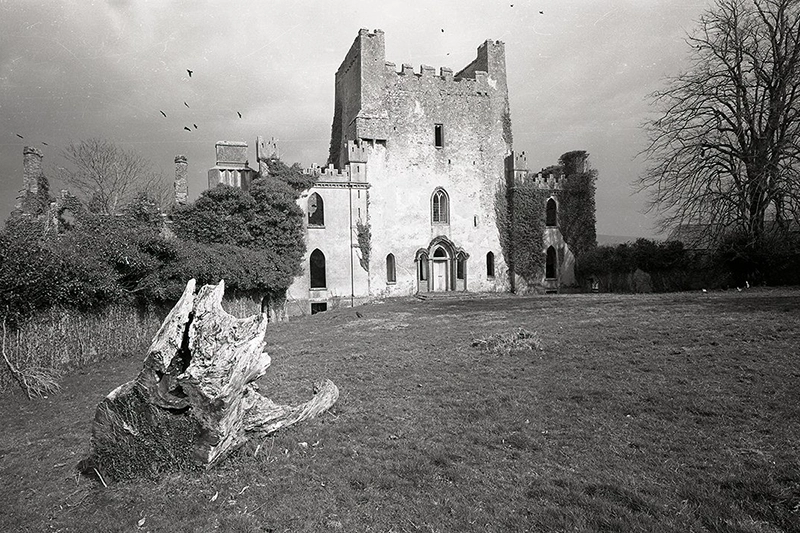
In 1642, Oliver Cromwell’s government forces invaded Ireland and the English soldier, John Darby, took Leap Castle in lieu of tax payment. The castle remained in the Darby family until it was burned during a 1922 uprising. The current owners, the Ryans, have continued the restoration work that was started by an Australian owner, Peter Bartlett, since 1974.
Today, Sean and his wife Anne are private residents at Leap Castle, and have owned the dwelling since 1991. Despite its chilling reputation and centuries-old hauntings, the Ryans have worked tirelessly to restore the building, much of it by hand, while continuing to live there.
The Hauntings of Leap Castle
Leap Castle has been given the covetously creepy title as Ireland’s ‘most haunted’ featuring on the same-named television series in the early 2000s. With the O’Carroll clan having such a bloody reputation, Leap castle is known for its violent history.
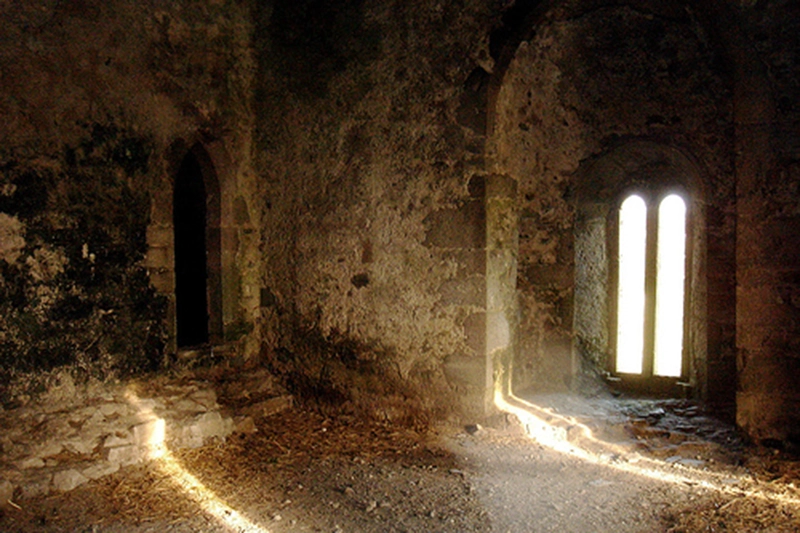
At the heart of this ghastly lore is the infamous ‘Bloody Chapel’ – the castle’s most unsettling chamber. It was here, during a clan O’Carroll power struggle between two brothers, that one murdered the other. Thaddeus O’Carroll was a priest, and successor to the title of chieftain of the clan in the 1530s. However, his one-eyed brother, Teige O’Carroll, was jealous and hungry for power. During a family mass, Teige stabbed his brother the priest, Thaddeus bleeding out on the altar. It is said the haunting presence of the priest can still be felt in the room.
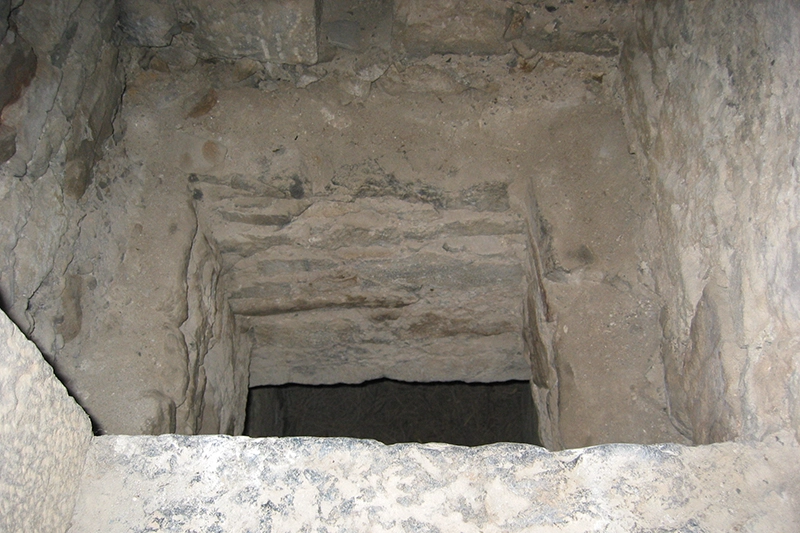
But the horrors of Leap Castle don’t end there. It is hardly surprising that Leap Castle is home to so many spirits when 150 bodies were discovered under the floor. In 1922, unsuspecting workmen discovered the skeletal remains of a host of prisoners. Whilst restoring the castle, construction workers stumbled upon a trap door concealing a secret dungeon designed for unspeakable cruelty. The ‘oubliette’ was a deep hole in the ground with upright wooden spikes, intended to impale victims and kill enemies of the clan. It’s thought the shaft was used as recently as the mid-1850s because a dated pocket watch was found inside – gruesome!
This castle has so many ghosts, from the haunting Red Lady to the ghosts of two young girls. From the castle’s partial destruction during a 1516 attack, to the fire that consumed parts of it during the Irish Civil War in 1922, Leap Castle has been a silent witness to centuries of violence and unrest. Doors slam without warning, footsteps echo in empty hallways, and unseen forces brush past unwelcome guests. For those who visit, it quickly becomes clear: at Leap Castle, the past is far from buried.
Cruise aboard Shannon Princess and enjoy a private tour of Leap Castle
Leap Castle is well worth a visit if you love your Irish history, and of course, grueseome ghost stories. European Waterways guests staying aboard the Shannon Princess are delivered right into the throng of the drama, to experience the spookiest of spirits.
A private tour of the castle by the owner, Sean Ryan, reveals its many hidden passages, doors and tales. Now having been lovingly restored to retain much of its original medieval character, Sean’s guests can experience the castle whilst listening to traditional Irish music, and maybe a slamming door or two.
For a unique opportunity to visit Leap Castle in a group of no more than 10 guests, find out more: request a brochure or contact a member of the Cruise Team today.